
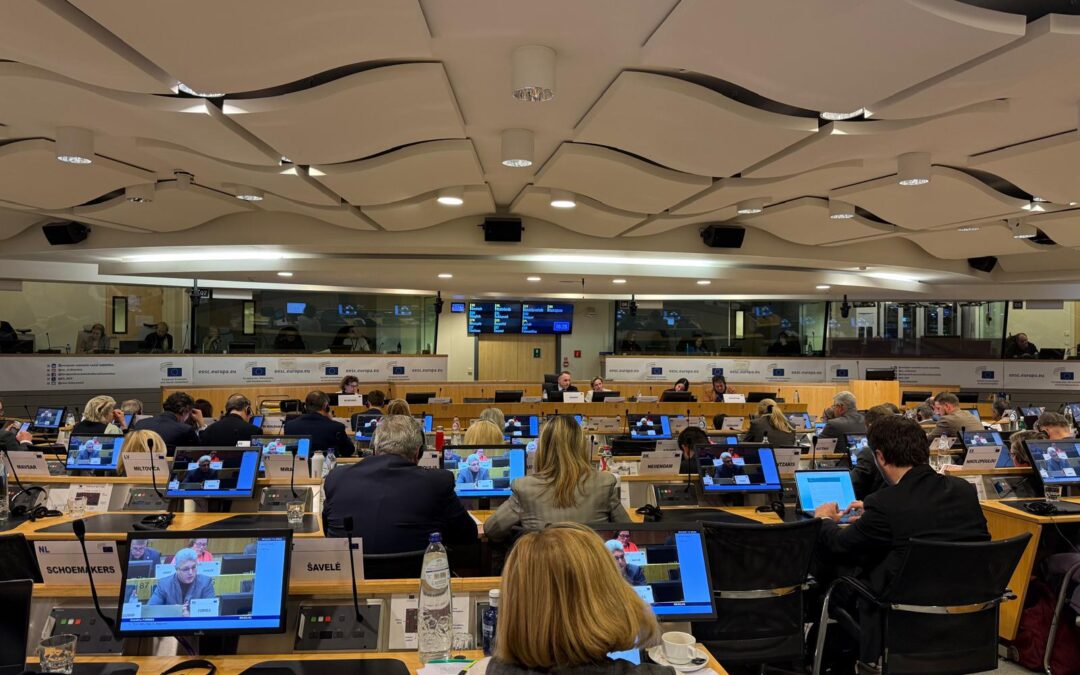
CESE, ULGIATI ALLA RIUNIONE DELLA SEZIONE TEN
Il Consigliere Luigi Ulgiati ha partecipato a Bruxelles, in quanto membro della Sezione TEN (Trasporti, Energia ed Infrastrutture) del CESE (Comitato Economico e Sociale Europeo), alla riunione che si è svolta il 3 Febbraio u.s. avente all’ordine del giorno l’approvazione di due Pareri: uno sulla “Strategia europea in materia di scienze della vita” e l’altro sulla “Interconnessione energetica e le reti elettriche”, intervenendo a proposito di quest’ultimo (TEN/865). «Il Parere in questione – ha dichiarato Ulgiati – mette in evidenza le criticità del sistema, nonché i vantaggi che le interconnessioni, specie quelle transfrontaliere tra Paesi, generano in tutto il sistema europeo, garantendo maggiore stabilità e sicurezza dell’infrastruttura, in aggiunta a notevoli risparmi economici. Una rete sicura – ha proseguito l’esponente del CESE – garantirebbe, infatti, l’approvvigionamento e la competitività del nostro sistema industriale. Occorrono però piani energetici e strategie a lungo termine, sostenuti oltre che con i bilanci dei vari Stati membri, anche con il bilancio dell’Unione Europea, altrimenti il rischio è che i singoli Paesi Ue siano interessati ad investimenti in interconnessioni di reti che abbiano un ritorno esclusivo, diretto, certo ed a breve termine, vanificando in tal modo l’obiettivo di una rete infrastrutturale europea». Interessante viene inoltre definita la considerazione dell’opinione pubblica, la previsione di compensazioni e la richiesta di valorizzazione sia dei prosumatori che delle comunità energetiche locali. Infine, nel Parere si auspica la produzione di energia elettrica tramite fonti energetiche rinnovabili, utili all’abbattimento di CO2, ma non stabili e programmabili. Per il Consigliere Ulgiati «non bisogna quindi dimenticare la produzione di energia elettrica anche attraverso fonti nucleari, in particolare mediante l’utilizzo di piccoli reattori come gli SMR (Small Modular Reactors) peraltro citati più volte in altri Pareri CESE».
UE: PRESENTATO 20° PACCHETTO SANZIONI CONTRO RUSSIA
La Commissione Europea ha appena presentato un nuovo Pacchetto di sanzioni, il ventesimo dall’inizio della guerra di aggressione della Russia contro l’Ucraina, che arriva in considerazione del fatto che il Cremlino sta raddoppiando i crimini di guerra, colpendo deliberatamente abitazioni ed infrastrutture civili, con impianti energetici e sistemi di riscaldamento presi di mira ed intere comunità lasciate senza elettricità a temperature gelide. «Mentre ad Abu Dhabi sono in corso importanti colloqui di pace, dobbiamo essere lucidi: la Russia si siederà al tavolo delle trattative con intenzioni genuine solo se verrà spinta a farlo». Questa, la motivazione dichiarata dalla Presidente dell’Esecutivo comunitario, Ursula von der Leyen, che ha spiegato come le nuove misure ridurranno ulteriormente le entrate energetiche della Russia rendendo più difficile trovare acquirenti per il suo petrolio. Aumentare, dunque, la pressione sul Cremlino affinché si sieda seriamente al tavolo dei negoziati, l’obiettivo perseguito dall’Unione Europea a pochi giorni dal quarto anniversario dell’invasione russa. Il ventesimo Pacchetto di sanzioni Ue si pone nel solco dei precedenti diciannove, colpendo in particolare settori quali energia, servizi finanziari e commercio. Per quanto riguarda l’energia, viene introdotto un divieto totale di servizi marittimi per il greggio russo, con l’aggiunta di proibizioni generalizzate sulla fornitura di manutenzione ed altri servizi per le petroliere GNL e le navi rompighiaccio al fine di danneggiare ulteriormente i progetti di esportazione del gas. In relazione al sistema bancario russo vengono inclusi provvedimenti che lo limitano ulteriormente e che contrastano anche il trading di criptovalute per eliminare ogni possibilità di elusione fiscale. Quanto al capitolo commercio, inoltre, sono inasprite le restrizioni all’esportazione verso la Russia con altri divieti su beni e servizi, dalla gomma ai trattori ed ai servizi di sicurezza informatica, in aggiunta all’inserimento di nuove limitazioni all’importazione di metalli, prodotti chimici e minerali essenziali non ancora soggetti a sanzioni, oltre ad ulteriori vincoli all’esportazione di prodotti e tecnologie usati per lo sforzo bellico russo, come i materiali per la produzione di esplosivi. Infine, viene attivato per la prima volta lo strumento anti-elusione, vietando l’esportazione di macchine e radio a controllo numerico computerizzato verso giurisdizioni in cui vi è un rischio elevato che tali prodotti vengano riesportati in Russia, allo scopo di dimostrare la forte determinazione dell’Unione Europea a ridurre l’evasione delle sanzioni.
EN
CESE, ULGIATI AT THE TEN SECTION MEETING
Councillor Luigi Ulgiati participated in Brussels, as a member of the TEN Section (Transport, Energy and Infrastructure) of the EESC (European Economic and Social Committee), in the meeting held on the 3rd of February, with the approval of two Opinions on the agenda: one on the “European Strategy on Life Sciences” and the other on “Energy Interconnection and Electricity Networks”, speaking on the latter (TEN/865). «The Opinion in question – said Ulgiati – highlights the critical issues of the system, as well as the advantages that interconnections, especially cross-border ones between Countries, generate throughout the European system, ensuring greater stability and security of infrastructure, in addition to significant economic savings. A secure network – continued the EESC representative – would guarantee the supply and competitiveness of our industrial system. However, long-term energy plans and strategies are needed, supported not only by the budgets of the various Member States, but also by the European Union budget, otherwise there is a risk that individual EU Countries will be interested in investing in network interconnections that have an exclusive, direct, certain and short-term return, thus undermining the objective of a European infrastructure network». The consideration of public opinion, the provision of compensation and the request for the enhancement of both prosumers and local energy communities are also defined as interesting. Finally, the Opinion calls for the production of electricity from renewable energy sources, which are useful for reducing CO2 emissions but are not stable or programmable. According to Councillor Ulgiati «we must not therefore forget the production of electricity from nuclear sources, in particular through the use of small reactors such as SMRs (Small Modular Reactors), which have been mentioned several times in other EESC Opinions».
EU: 20TH PACKAGE OF SANCTIONS AGAINST RUSSIA PRESENTED
The European Commission has just presented a new Package of sanctions, the twentieth since the start of Russia’s war of aggression against Ukraine, in light of the fact that the Kremlin is doubling down on its war crimes, deliberately targeting civilian homes and infrastructure, with energy and heating systems being targeted and entire communities left without electricity in freezing temperatures. «While important peace talks are underway in Abu Dhabi, we must be clear: Russia will only sit at the negotiating table with genuine intentions if it is pushed to do so». This was the reasoning given by the President of the European Commission, Ursula von der Leyen, who explained how the new measures will further reduce Russia’s energy revenues, making it more difficult to find buyers for its oil. The aim of the European Union, just a few days before the fourth anniversary of the Russian invasion, is therefore to increase pressure on the Kremlin to sit down seriously at the negotiating table. The twentieth EU sanctions Package follows in the footsteps of the previous nineteen, targeting sectors such as energy, financial services and trade in particular. With regard to energy, a total ban on maritime services for Russian crude oil is introduced, with the addition of generalised prohibitions on the provision of maintenance and other services for LNG tankers and icebreakers in order to further damage gas export projects. Measures are included that further restrict the Russian banking system and also combat cryptocurrency trading in order to eliminate any possibility of tax evasion. In addition, restrictions on exports to Russia are tightened with further bans on goods and services, from rubber to tractors and IT security services, in addition to new restrictions on imports of metals, chemicals and essential minerals not yet subject to sanctions, as well as further restrictions on exports of products and technologies used in Russia’s war effort, such as materials for the production of explosives. Finally, the anti-circumvention tool is being activated for the first time, prohibiting the export of computerised numerical control machines and radios to jurisdictions where there is a high risk that such products will be re-exported to Russia, in order to demonstrate the European Union’s strong determination to reduce sanctions evasion.
UGL NEWS dall'EUROPA n. 160 del 6 Febbraio 2026EN - UGL NEWS from EUROPE n. 160 - 6th of February 2026


