
CESE, ULGIATI PRESENTE A BRUXELLES ALLA RIUNIONE DELLA SEZIONE TEN
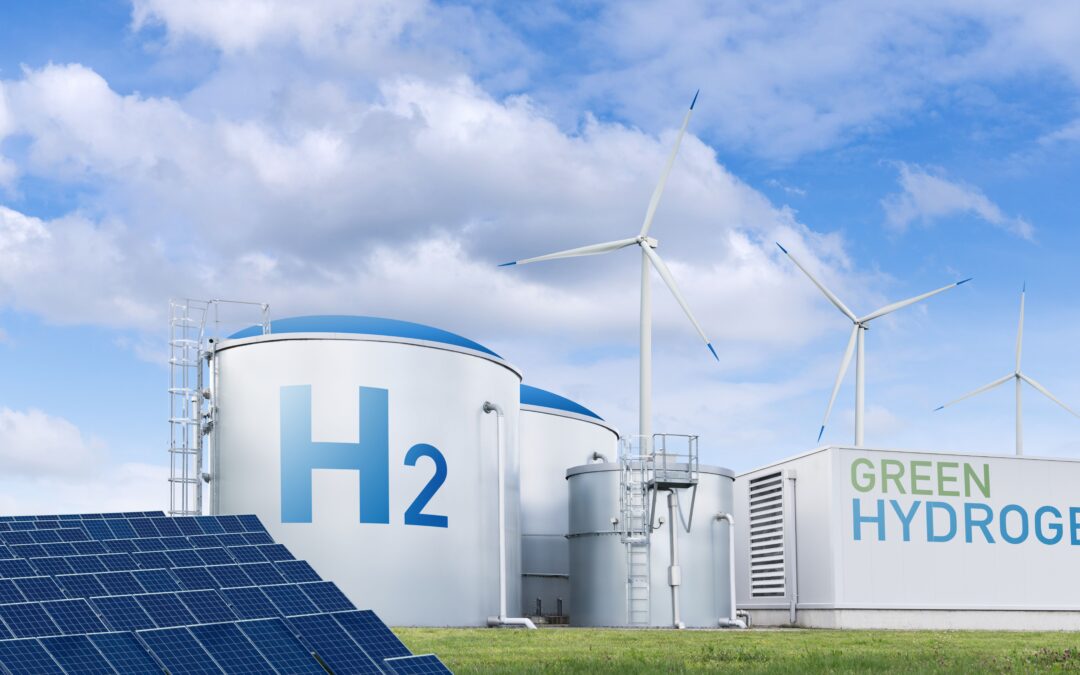
Il 5 Novembre si è svolta nella Capitale belga la riunione della Sezione Trasporti, Energia ed Infrastrutture (TEN) del Comitato Economico e Sociale Europeo (CESE), a cui ha partecipato il Consigliere Ulgiati. Nel corso della riunione si sono svolti tre dibattiti su temi molto importanti. Il primo su “Come può l’Europa mantenere l’aviazione competitiva, resiliente ed in forma per il futuro?” relativo al riesame del Pacchetto aeroportuale ed al Regolamento ReFuelEU Aviation. Il secondo riguardante la chiusura del ciclo del combustibile nucleare con riflessioni su come la gestione dei rifiuti debba essere non solo tecnica, ma anche etica e sociale. Il terzo inerente la Nuova Strategia sull’Idrogeno della Commissione Europea che, in proposito, ha avviato il 26 Ottobre una consultazione di quattro settimane, aperta fino al 23 Novembre, finalizzata a raccogliere contributi ed informazioni utili a definire la prossima strategia sull’idrogeno. Rivolta sia alle parti interessate che al pubblico in generale questa consultazione ha lo scopo di fornire spunti sulla portata e sul contenuto della strategia, che confluiranno poi nella fase di elaborazione del documento da parte della Commissione. Per Ulgiati «L’aggiornamento della strategia sull’idrogeno del 2020 si è resa necessaria alla luce dei ritardi nello sviluppo del mercato e degli elevati costi di produzione. Da allora infatti diversi fattori ne hanno rallentato lo slancio: due guerre e gli obiettivi vincolanti per i combustibili rinnovabili di origine non biologica (RFNBO), introdotti dalla Direttiva RED III, che rendono molto difficile raggiungere i target del 2020. Inoltre, a pesare sui costi è anche l’elettricità, la cui fornitura, al netto delle tariffe di rete, può rappresentare fino al 50% del costo di produzione dell’idrogeno rinnovabile. La revisione – ha concluso infine Ulgiati – mira, dunque, a rafforzare la competitività della filiera, accelerare gli investimenti ed affrontare le sfide legate alla domanda, alle infrastrutture ed alle importazioni».
UE: NUOVE NORME SULLA SICUREZZA SOCIALE
Ciascun Paese dell’Unione Europea è libero di determinare le caratteristiche del proprio sistema di sicurezza sociale, compresi i tipi di prestazioni erogate, i requisiti di ammissibilità, le modalità di calcolo delle stesse ed i contributi da versare. Allo stesso tempo, circa 16 milioni di cittadini europei vivono o lavorano in un altro Paese della Ue. L’Unione Europea stabilisce norme per coordinare i sistemi nazionali di sicurezza sociale e garantire la protezione sociale quando una persona si sposta all’interno degli Stati membri della Ue, nonché in Islanda, Liechtenstein, Norvegia e Svizzera. Dal 2010 questo quadro di coordinamento è disciplinato dai Regolamenti 883/2004 e 987/2009, norme che sono state poi riviste per recepire i cambiamenti nel mercato del lavoro e nei sistemi nazionali di sicurezza sociale. L’adeguamento arriva dopo quasi un decennio di negoziati tra i co-legislatori e la Commissione. Il 1° Novembre è entrato in vigore il Regolamento che rivede le norme Ue sul coordinamento dei sistemi nazionali di sicurezza sociale, anche se, per lasciare agli Stati membri il tempo di adeguare le procedure nazionali, la maggior parte delle nuove regole si applicherà solo dal 1° Novembre 2028. La riforma interviene su cinque aree chiave. La prima è la tutela di chi lavora o vive all’estero con l’introduzione di nuove norme sulle prestazioni familiari; la seconda riguarda la mobilità dei lavoratori e comprende una nuova definizione di frode nel coordinamento della sicurezza sociale. Il terzo ambito è inerente alle indennità di disoccupazione con l’estensione del periodo in cui una persona può spostarsi in un altro Paese per cercare lavoro mantenendo il diritto al sussidio. Il quarto settore concerne regole più chiare per stabilire quale legislazione sociale si applichi, soprattutto nei distacchi e nel lavoro svolto in due o più Stati membri, mentre il quinto prevede il rafforzamento della cooperazione amministrativa tra le autorità nazionali tramite un miglioramento dello scambio di informazioni.
EN
EESC: ULGIATI ATTENDS TEN SECTION MEETING IN BRUSSELS
On the 5th of November, a meeting of the Transport, Energy and Infrastructure (TEN) Section of the European Economic and Social Committee (EESC) took place in the Belgian Capital, attended by Councillor Ulgiati. During the meeting, three debates were held on very important topics. The first was on “How can Europe keep aviation competitive, resilient and fit for the future?”, relating to the review of the Airport Package and the ReFuelEU Aviation Regulation. The second concerned the nuclear fuel cycle, with discussions on how waste management must be not only technical, but also ethical and social. The third debate centred on the European Commission’s New Hydrogen Strategy; in this regard, the Commission launched a four-week consultation on the 26th of October – open until 23rd of November – aimed at gathering contributions and information to help shape the forthcoming hydrogen strategy. Aimed at both stakeholders and the general public, this consultation seeks to provide input on the scope and content of the strategy, which will then be incorporated into the Commission’s drafting of the document. According to Ulgiati «The update to the 2020 hydrogen strategy has become necessary in light of delays in market development and high production costs. Since then, in fact, a number of factors have slowed its momentum: two wars and the binding targets for renewable fuels of non-biological origin (RFNBO), introduced by the RED III Directive, which make it very difficult to meet the 2020 targets. Furthermore, electricity also weighs heavily on costs; its supply, net of grid tariffs, can account for up to 50 per cent of the cost of producing renewable hydrogen. The review – Ulgiati concluded – therefore aims to strengthen the competitiveness of the supply chain, accelerate investment and tackle the challenges relating to demand, infrastructure and imports».
EU: NEW SOCIAL SECURITY RULES
Each Country in the European Union is free to determine the characteristics of its own social security system, including the types of benefits provided, eligibility requirements, how benefits are calculated, and the contributions to be paid. At the same time, around 16 million European citizens live or work in another EU Country. The European Union establishes rules to coordinate national social security systems and ensure social protection when a person moves within EU Member States, as well as in Iceland, Liechtenstein, Norway and Switzerland. Since 2010, this coordination framework has been governed by Regulations 883/2004 and 987/2009, which were subsequently revised to reflect changes in the labour market and in national social security systems. This update follows nearly a decade of negotiations between the co-legislators and the Commission. On the 1st of November, the Regulation revising the EU rules on the coordination of national social security systems came into force, although, to allow Member States time to adapt their national procedures, most of the new rules will only apply from 1st of November 2028. The reform addresses five key areas. The first is the protection of those working or living abroad, with the introduction of new rules on family benefits; the second concerns worker mobility and includes a new definition of fraud in the coordination of social security. The third area relates to unemployment benefits, with the extension of the period during which a person may move to another Country to look for work whilst retaining their entitlement to benefits. The fourth area concerns clearer rules for determining which social legislation applies, particularly in the case of postings and work carried out in two or more Member States, whilst the fifth provides for the strengthening of administrative cooperation between national authorities through improved information exchange.
UGL NEWS dall'EUROPA n. 194 del 9 Novembre 2026EN - UGL NEWS from EUROPE n. 194 - 9th of November 2026


