
IL CESE ED IL MODELLO DELLE COOPERATIVE
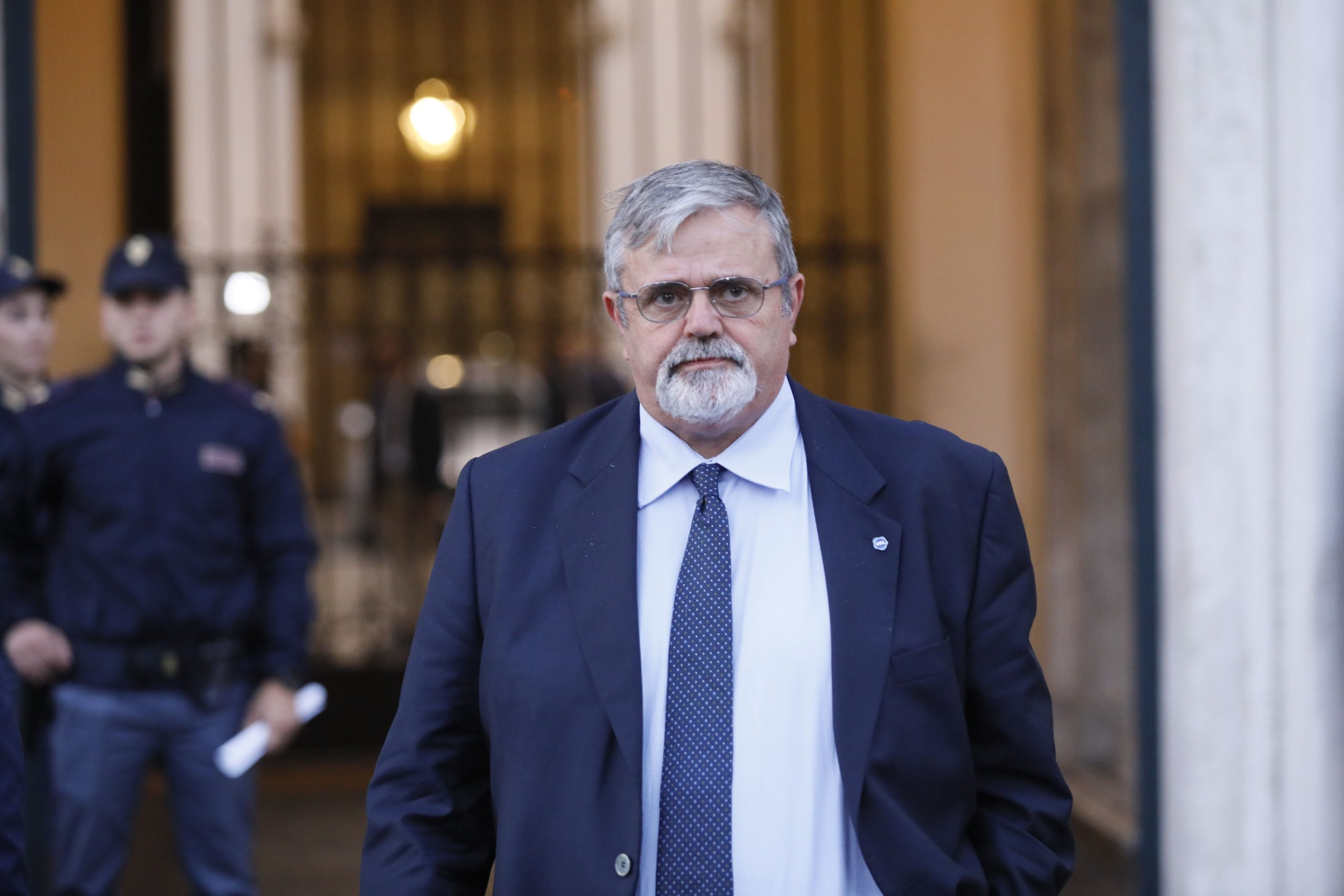
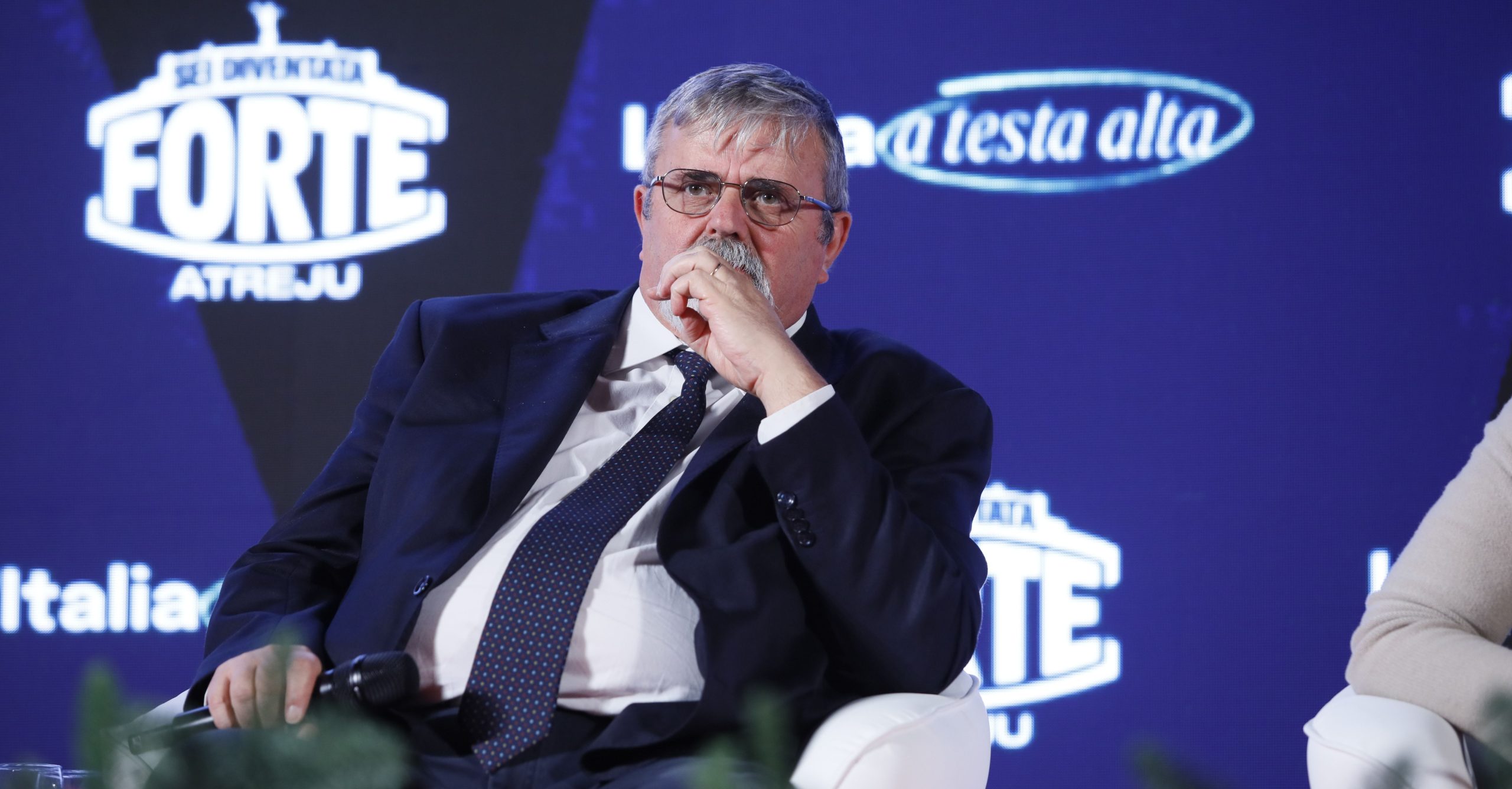
Le Nazioni Unite hanno proclamato il 2025 Anno Internazionale delle Cooperative con il tema “Le Cooperative costruiscono un mondo migliore” per evidenziare il crescente riconoscimento, da parte delle Istituzioni internazionali, del ruolo svolto dalle cooperative in molti settori. Tra i soggetti dell’economia sociale e solidale, le cooperative rappresentano la forma più strutturata in termini imprenditoriali e la più diffusa a livello mondiale in termini di forme giuridiche e principi di identità. L’Unione Europea e molte Istituzioni internazionali hanno riconosciuto il ruolo decisivo svolto dalle imprese dell’economia sociale ed anche il CESE (Comitato Economico e Sociale Europeo) con il Parere di iniziativa CCMI/242, adottato nel corso della Sessione Plenaria di Dicembre, ha voluto sottolineare come il modello cooperativo sia stato in grado di costruire imprese competitive e redditizie, il cui successo si basa anche sulla loro capacità inclusiva, sulla partecipazione dei lavoratori e sull’interazione costruttiva con le comunità locali. Il modello imprenditoriale cooperativo è pienamente in linea con i valori del Trattato Ue e con gli obiettivi della Bussola europea per la competitività. Le cooperative, che perseguono finalità di natura sia economica che sociale, sono infatti un elemento indispensabile dell’”economia sociale di mercato” e generano valore e ricchezza al pari delle imprese convenzionali. La differenza con queste ultime però risiede nella distribuzione della ricchezza e nel valore che viene restituito alla società. Le cooperative sociali di inserimento lavorativo svolgono un ruolo fondamentale nel far entrare nel mercato del lavoro i lavoratori più esclusi, tramite una formazione efficace ed adeguata. Inoltre, molte cooperative sono impegnate nella duplice transizione verde e digitale, anche in settori avanzati come la ricerca sulla produzione di energia a partire dall’idrogeno. «Le Istituzioni europee e gli Stati membri – ha dichiarato il Consigliere Ulgiati – dovrebbero riconoscere maggiormente il ruolo delle cooperative industriali quali motori fondamentali dell’economia europea ed introdurre incentivi finanziari mirati per incoraggiare tali forme di imprese, i cui punti di forza sono molteplici, primo fra tutti la tendenza generale del modello cooperativo a prestare maggiore attenzione alla creazione ed al mantenimento di posti di lavoro».
UE: PACCHETTO RETI EUROPEE ED AUTOSTRADE DELL’ENERGIA
La Commissione Europea ha proposto recentemente il “Pacchetto sulle reti europee”, finalizzato a modernizzare ed espandere la rete elettrica della UE per consentire un flusso efficiente di energia in tutti gli Stati membri, integrare fonti pulite più economiche ed accelerare l’elettrificazione. Il Pacchetto contribuirà a garantire energia sicura, pulita ed a prezzi accessibili per tutti i cittadini europei, a rafforzare l’indipendenza energetica dell’Unione, nonché a sostenere la competitività del Vecchio Continente. Nell’ambito di tale Pacchetto l’Esecutivo comunitario ha inoltre presentato le “Autostrade dell’Energia”, interconnessioni strategiche essenziali che sosterranno il compimento dell’Unione dell’Energia, affrontando le strozzature critiche nel sistema energetico della Ue. Già annunciate dalla Presidente Ursula von der Leyen nel suo Discorso sullo Stato dell’Unione 2025 le “Energy Highways” riguardano progetti strategici fondamentali che rispondono alle esigenze infrastrutturali più urgenti, richiedendo ulteriore sostegno ed impegno per la loro esecuzione, in vista della realizzazione del Mercato interno dell’Energia. Secondo la Commissione molte infrastrutture energetiche europee non avanzano abbastanza rapidamente rispetto alla crescita delle rinnovabili, mentre diversi Stati membri sono lontani dall’obiettivo di interconnessione del 15% entro il 2030. Le 8 Autostrade Energetiche (selezionate non solo in base alla loro importanza strategica per il completamento dell’Unione dell’Energia ma anche al livello di sostegno politico della Ue necessario per la loro efficace attuazione) operano quindi come una corsia preferenziale dell’Unione Europea per accelerare i progetti energetici transfrontalieri più impellenti tramite una governance rafforzata, procedure autorizzative più rapide e strumenti finanziari incrementati. La Commissione indica inoltre che potenziare infrastrutture chiave può generare risparmi significativi. Un investimento, infatti, di 5 miliardi di euro è in grado di ridurre i costi di sistema di 8 miliardi, con un beneficio netto di 3 miliardi di euro. Ben venga dunque un sistema energetico realmente interconnesso ed integrato perché è alla base di un’Europa più forte ed indipendente.
EN
THE EESC AND THE COOPERATIVE MODEL
The United Nations has proclaimed 2025 as the International Year of Cooperatives with the theme “‘Cooperatives build a better world” to highlight the growing recognition by international Institutions of the role played by cooperatives in many sectors. Among social and solidarity economy entities, cooperatives are the most structured in business terms and the most widespread worldwide in terms of legal forms and identity principles. The European Union and many international Institutions have recognised the decisive role played by social economy enterprises, and the EESC (European Economic and Social Committee) in its own-initiative Opinion CCMI/242, adopted during the December Plenary Session, has sought to emphasise how the cooperative model has been able to build competitive and profitable enterprises, whose success is also based on their inclusive capacity, worker participation and constructive interaction with local communities. The cooperative business model is fully in line with the values of the EU Treaty and the objectives of the European Compass for competitiveness. Cooperatives, which pursue both economic and social goals, are in fact an indispensable element of the “social market economy” and generate value and wealth on a par with conventional businesses. The difference with the latter, however, lies in the distribution of wealth and the value that is returned to society. Social cooperatives for work integration play a fundamental role in bringing the most excluded workers into the labour market through effective and adequate training. In addition, many cooperatives are engaged in the dual green and digital transition, even in advanced sectors such as research into hydrogen-based energy production. «European Institutions and Member States – said Councillor Ulgiati – should give greater recognition to the role of industrial cooperatives as key drivers of the European economy and introduce targeted financial incentives to encourage these forms of enterprise, which have many strengths, foremost among which is the general tendency of the cooperative model to pay greater attention to job creation and retention».
EU: EUROPEAN NETWORKS AND ENERGY MOTORWAYS PACKAGE
The European Commission recently proposed the “European Networks Package”, aimed at modernising and expanding the EU’s electricity network to enable efficient energy flows across all Member States, integrate cheaper clean sources and accelerate electrification. The Package will help to ensure secure, clean and affordable energy for all European citizens, strengthen the Union’s energy independence and support the competitiveness of the Old Continent. As part of this package, the EU Executive also presented the “Energy Highways”, essential strategic interconnections that will support the completion of the Energy Union by addressing critical bottlenecks in the EU’s energy system. Already announced by President Ursula von der Leyen in her 2025 State of the Union Address, the “Energy Highways” concern key strategic projects that respond to the most urgent infrastructure needs, requiring further support and commitment for their implementation, with a view to the creation of the Internal Energy Market. According to the Commission, many European energy infrastructures are not advancing fast enough to keep pace with the growth of renewables, while several Member States are far from the 15% interconnection target by 2030. The eight Energy Highways (selected not only on the basis of their strategic importance for the completion of the Energy Union but also on the level of EU political support needed for their effective implementation) therefore act as a fast track for the European Union to accelerate the most urgent cross-border energy projects through strengthened governance, faster authorisation procedures and increased financial instruments. The Commission also points out that upgrading key infrastructure can generate significant savings. In fact, an investment of €5 billion can reduce system costs by €8 billion, with a net benefit of €3 billion. A truly interconnected and integrated energy system is therefore welcome, as it is the basis for a stronger and more independent Europe.
UGL NEWS dall'EUROPA n. 154 del 12 Dicembre 2025EN - UGL NEWS from EUROPE n. 154 - 12nd of December 2025 -