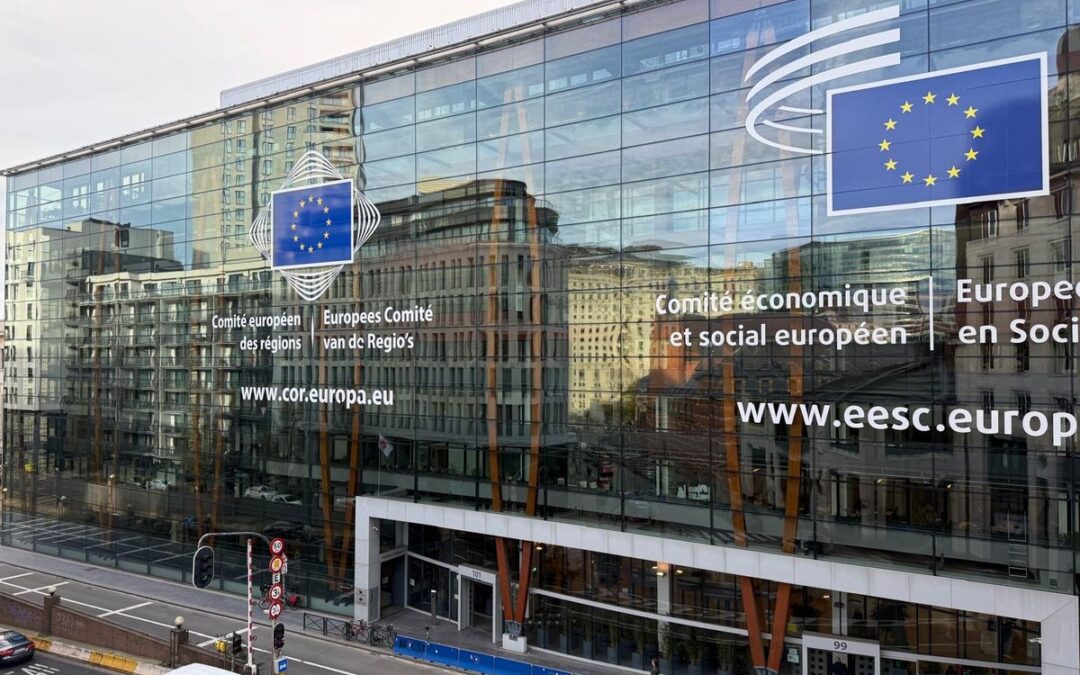
CESE, ULGIATI A BRUXELLES PER SEZIONE INT
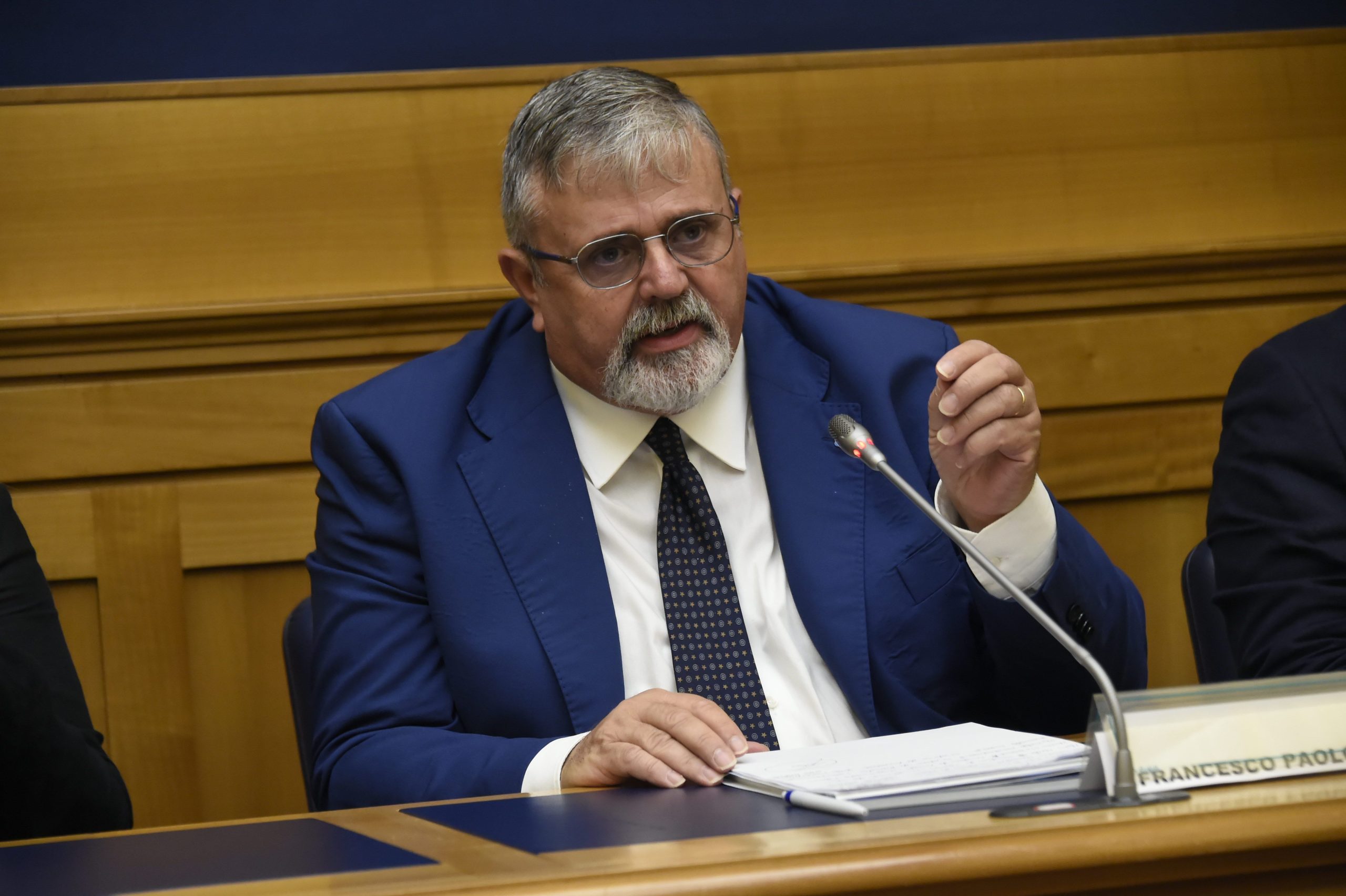
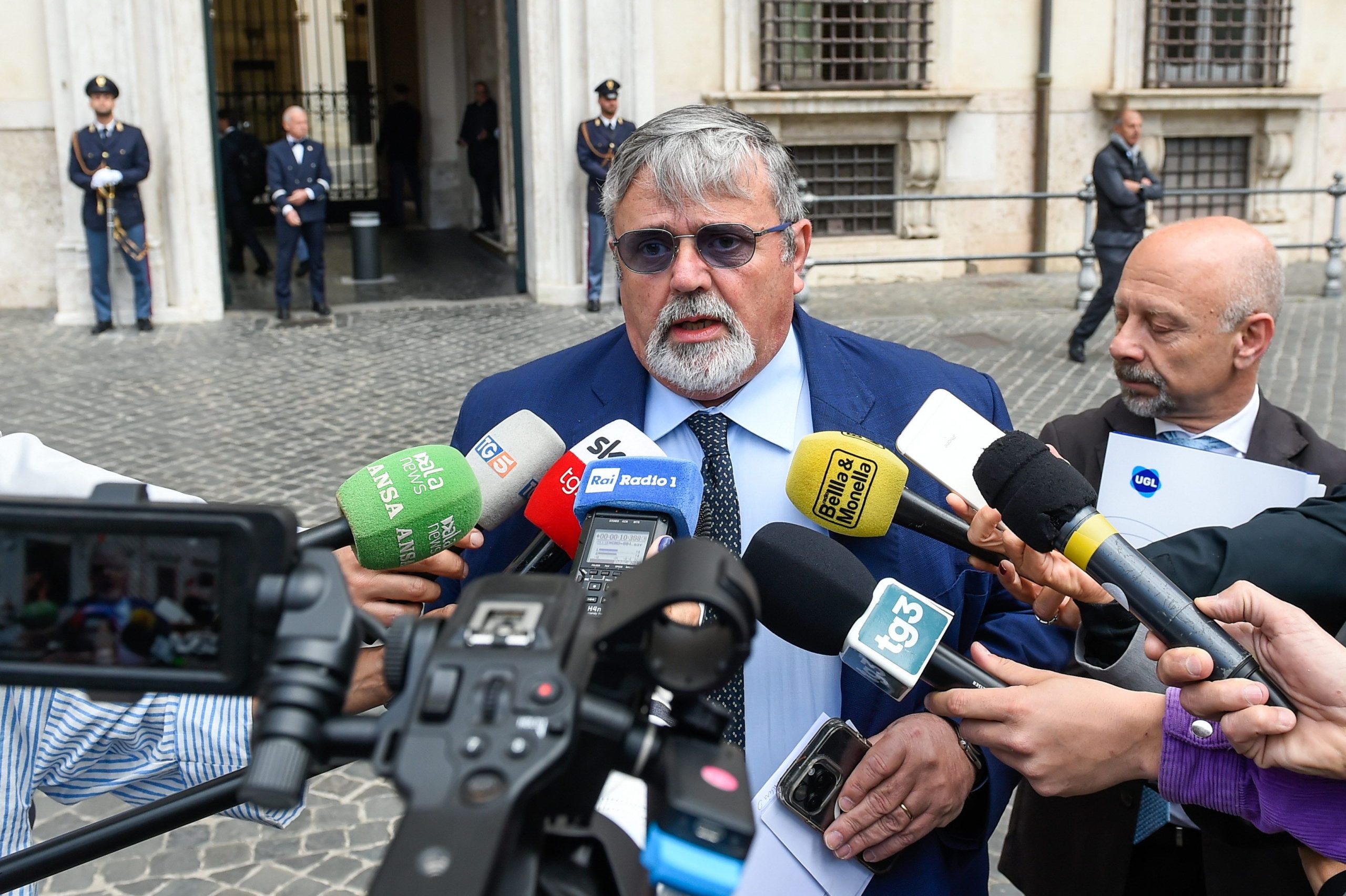
La consueta riunione mensile della Sezione Mercato Unico, Produzione e Consumo (INT) del Comitato Economico e Sociale Europeo (CESE), di cui è membro il Consigliere Ulgiati, si è svolta pochi giorni fa nella Capitale Belga, terminando con l’approvazione di importanti Pareri: “Pacchetto omnibus digitale sull’Intelligenza Artificiale”, “Portafoglio europeo delle imprese”, relativo ad un meccanismo in grado di dimostrare l’identità digitale di una persona giuridica e “Relazione di previsione strategica 2025” della Commissione Europea, documento che traccia una prospettiva di lungo periodo per garantire la resilienza, la competitività e la stabilità del Continente europeo in un contesto globale segnato da trasformazioni accelerate. Si tratta pertanto di un documento politico di alto livello che si basa sulle principali megatendenze, sviluppando una visione per aiutare l’Unione Europea a fronteggiare le sfide future, nonché a cogliere le opportunità emergenti. Il Rapporto evidenzia altresì importanti evoluzioni globali, come i cambiamenti climatici, le crescenti minacce alla sicurezza e la trasformazione economica, raccomandando un processo di elaborazione delle politiche più innovativo e lungimirante. Il Consigliere Ulgiati, intervenuto sull’argomento, ha dichiarato che «sono tutti importanti i temi trattati nella Relazione di Previsione Strategica 2025 dell’Unione Europea: l’autonomia di materie prime e di energia, la transizione e la competitività delle nostre imprese e dei nostri prodotti». Con riferimento alla democrazia, inoltre, Ulgiati ha affermato che «noi abbiamo la pretesa di considerarci democratici ed esportatori di democrazia, senza però neanche sapere se il nostro modello sia compreso e ben accolto». Infine, riguardo al tema della coesione sociale, particolarmente importante per il ruolo che l’esponente del CESE riveste, speciale rilievo assume «la protezione del lavoro e dei nostri lavoratori, fondamentale proprio per dare risposte coerenti a tutti i cittadini europei».
UE: VERTICE INFORMALE SULLA COMPETITIVITÀ
Anche se quello appena conclusosi, presso il Castello di Alden Biesen, ad un centinaio di chilometri da Bruxelles, non è stato un Vertice in cui i leader Ue hanno preso decisioni concrete, un risultato effettivo è stato comunque raggiunto: la condivisione dell’urgenza di accelerare per sciogliere i nodi che imbrigliano l’Europa. Al “ritiro” dei 27 Capi di Stato e di Governo Ue (preceduto da un pre-Vertice convocato da Italia, Germania e Belgio a cui hanno partecipato 19 Paesi e la Presidente della Commissione Europea) sono stati affrontati temi economici con focus sulla competitività ed il Mercato Unico. Ospiti d’onore Mario Draghi, che aveva recentemente parlato della necessità per l’Unione Europea di intraprendere un “federalismo pragmatico” per evitare il declino e diventare una potenza globale ed Enrico Letta che ha spiegato il suo punto di vista su come sfruttare meglio il Mercato Unico in un mondo in rapida evoluzione. “Un’Europa, un mercato”, non solo il titolo del Summit europeo e l’obiettivo che i leader dei Paesi dell’Unione Europea si sono posti, ma anche ciò su cui la Commissione europea sta lavorando. La Presidente dell’Esecutivo comunitario Ursula von der Leyen ha infatti preannunciato e promesso di presentare al prossimo Consiglio Europeo del 19 e 20 Marzo un piano di azione ed un calendario con finalità e scadenze, una sorta di roadmap, per giungere al traguardo del Mercato Unico completo entro la fine del 2027, offrendo già anticipazioni sul progetto di agenda per la competitività in Europa. L’Unione Europea si prepara ad una svolta storica nelle regole sulla concorrenza. Ad Aprile verranno infatti pubblicate le nuove Linee guida per le concentrazioni, al fine di permettere fusioni ed acquisizioni tali da creare grandi operatori capaci di competere sul mercato globale e non solo su quello europeo, consentendo di avere quei “campioni europei” che finora sono mancati, ostacolati non solo dalle regole comunitarie, ma anche dai Governi nazionali. Prima del prossimo Vertice dei leader Ue, inoltre, la Commissione ha intenzione di presentare l’Industrial Accelerator Act, il progetto di legge europea che autorizza la creazione di imprese in tempi più rapidi, con regole uguali ovunque e riconosciute in ogni Stato membro della Ue. In aggiunta sarà illustrato anche il “28esimo regime” ossia il quadro normativo per poter fare impresa in modo digitale, mentre entro Giugno si intende dare vita al primo stadio dell’Unione dei risparmi. Relativamente poi al mercato dell’energia la Commissione Europea presenterà al prossimo Vertice Ue diverse proposte di opzioni. In conclusione, dunque, un Consiglio Europeo informale, quello svoltosi nelle Fiandre belghe, in cui è stato condiviso dai vari leader “un senso di urgenza” con un consenso unanime riguardo la necessità di spingere sull’agenda della semplificazione e sull’arrivare presto a risultati concreti, perché «non c’è più tempo».
EN
EESC, ULGIATI IN BRUSSELS FOR INT SECTION
The regular monthly meeting of the Single Market, Production and Consumption Section (INT) of the European Economic and Social Committee (EESC), of which Councillor Ulgiati is a member, took place a few days ago in the Belgian capital, ending with the approval of important Opinions: “Digital Omnibus Package on Artificial Intelligence”, “European Business Wallet”, relating to a mechanism capable of proving the digital identity of a legal person, and the European Commission’s “Strategic Foresight Report 2025”, a document that outlines a long-term perspective for ensuring the resilience, competitiveness and stability of the European Continent in a global context marked by rapid change. It is therefore a high-level policy document based on key megatrends, developing a vision to help the European Union face future challenges and seize emerging opportunities. The Report also highlights important global developments, such as climate change, growing security threats and economic transformation, recommending a more innovative and forward-looking policy-making process. Councillor Ulgiati, speaking on the subject, stated that «all the issues addressed in the European Union’s Strategic Foresight Report 2025 are important: autonomy in raw materials and energy, transition and the competitiveness of our businesses and products». With regard to democracy, Ulgiati also stated that «we claim to be democrats and exporters of democracy, without even knowing whether our model is understood and well received». Finally, with regard to social cohesion, which is particularly important given the role played by the EESC representative, special emphasis is placed on «the protection of jobs and our workers, which is essential in order to provide coherent responses to all European citizens».
EU: INFORMAL SUMMIT ON COMPETITIVENESS
Although the Summit that just ended at Alden Biesen Castle, about 100 kilometres from Brussels, was not one at which EU leaders made concrete decisions, an effective result was nevertheless achieved: agreement on the urgent need to speed up efforts to untangle the knots that are holding Europe back. At the “retreat” of the 27 EU Heads of State and Government (preceded by a pre-Summit convened by Italy, Germany and Belgium, attended by 19 Countries and the President of the European Commission), economic issues were addressed with a focus on competitiveness and the Single Market. Guests of honour included Mario Draghi, who had recently spoken of the need for the European Union to embrace “pragmatic federalism” in order to avoid decline and become a global power, and Enrico Letta, who explained his view on how to make better use of the Single Market in a rapidly changing world. “One Europe, one market” is not only the title of the European Summit and the goal that the leaders of the European Union Countries have set themselves, but also what the European Commission is working on. The President of the European Commission, Ursula von der Leyen, has announced and promised to present an action plan and a calendar with objectives and deadlines, a sort of roadmap, at the next European Council on the 19th and 20th of March with the aim of achieving a complete Single Market by the end of 2027, offering a preview of the draft agenda for competitiveness in Europe. The European Union is preparing for a historic change in competition rules. In April, new Guidelines for mergers will be published, with the aim of allowing mergers and acquisitions that will create large operators capable of competing on the global market and not just on the European market, enabling the creation of those “European champions” that have been lacking until now, hindered not only by EU rules but also by national Governments. Furthermore, before the next EU leaders’ Summit, the Commission intends to present the Industrial Accelerator Act, the European draft law that authorises the creation of businesses more quickly, with rules that are the same everywhere and recognised in every EU Member State. In addition, the “28th regime”, i.e. the regulatory framework for doing business digitally, will also be presented, while the first stage of the Savings Union is expected to be launched by June. With regard to the energy market, the European Commission will present several proposals for options at the next EU Summit. In conclusion, therefore, an informal European Council meeting was held in Flanders, Belgium, where the various leaders shared a “sense of urgency” and reached unanimous consensus on the need to push forward with the simplification agenda and achieve concrete results soon, because «there is no more time».
UGL NEWS dall'EUROPA n. 161 del 13 Febbraio 2026EN - UGL NEWS from EUROPE n. 161 -13rd of February 2026