CESE: ULGIATI E LE INDUSTRIE EUROPEE ENERGIVORE
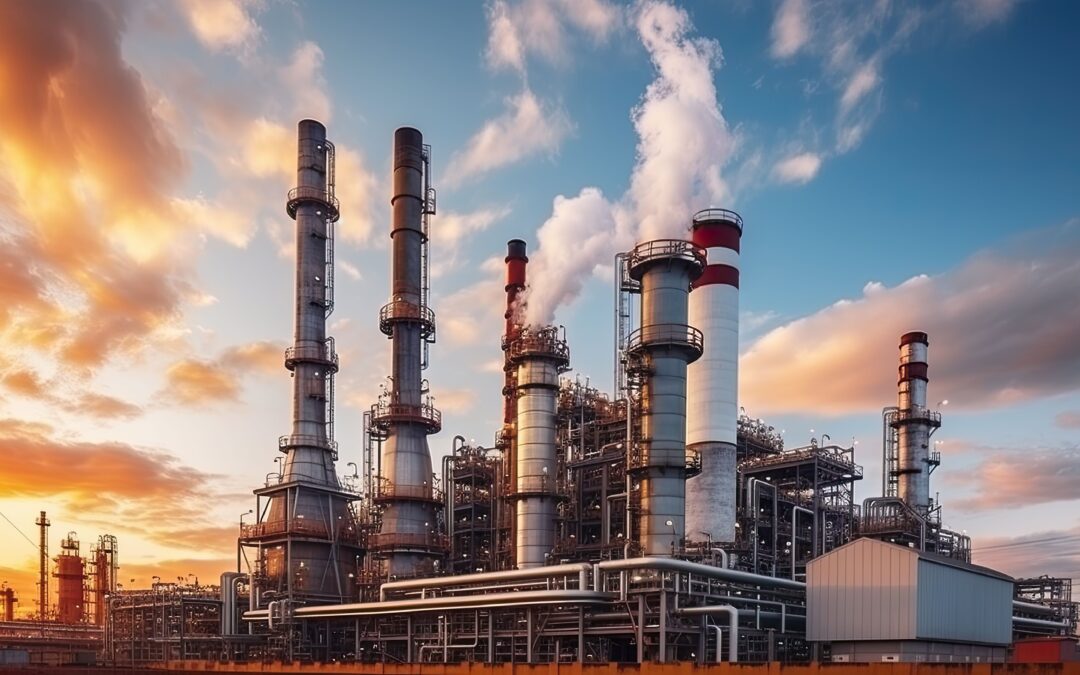
Garantire energia stabile ed a prezzi accessibili per le industrie europee ad alta intensità energetica ispirandosi all’esempio del settore chimico è stato l’oggetto del Parere TEN/876 approvato durante la riunione della Sezione Trasporti, Energia ed Infrastrutture del Comitato Economico e Sociale Europeo (CESE), svoltasi a Bruxelles di recente (24 Giugno). Il Consigliere Ulgiati è intervenuto sull’argomento affermando che nel Parere in questione «si mettono in evidenza i riflessi degli alti costi energetici sull’industria europea ed in particolare su quelle a forte consumo di energia. L’esempio del settore chimico – per Ulgiati – non è casuale perché l’industria chimica non è solo tra le più energivore rispetto ai consumi di energia, ma la stessa energia fossile rappresenta la risorsa naturale da lavorare per ottenere materie prime necessarie su tutta la filiera industriale. I costi energetici – ha proseguito – sono determinanti per garantire competitività ai prodotti europei a livello globale, altrimenti essi rimarranno fuori mercato e lo saranno anche all’interno dello stesso mercato comune. Inoltre – ha aggiunto l’esponente del CESE – quando si afferma che la decarbonizzazione industriale dovrebbe andare di pari passo con lo sviluppo delle infrastrutture, occorre essere consapevoli che i costi ambientali non possono pagarli soltanto i cittadini e le industrie europee». Vent’anni fa l’Unione Europea era uno dei leader mondiali della produzione industriale. Attualmente la posizione competitiva dell’Europa si è notevolmente indebolita e la quota dell’industria nel PIL della UE è scesa in pochi anni dal 17,4% al 14,3%. Si registra altresì la chiusura di numerose imprese, la perdita di posti di lavoro ed «il nostro diventa progressivamente un Continente di soli consumatori, sempre più poveri». In tale contesto, per preservare la competitività europea, la soluzione «è quella di costruire mix energetici su misura – ha concluso Ulgiati – adatti alle realtà ed alle capacità specifiche di ciascuno Stato membro, unitamente al raggiungimento dell’indipendenza da altri Paesi extraeuropei, allo stoccaggio non solo delle batterie ed all’utilizzo del nucleare di nuova generazione, avvalendosi di forti investimenti pubblici da affiancare a quelli privati».
UE, PROTEZIONE LAVORATORI DA SOSTANZE CANCEROGENE
Accordo politico raggiunto la scorsa settimana dal Parlamento Europeo e dal Consiglio sulla sesta revisione della Direttiva sugli agenti cancerogeni, mutageni e tossici per la riproduzione (CMRD), riguardante misure di tutela più rigorose dell’Unione Europea contro gli agenti cancerogeni sul posto di lavoro, che garantiranno una maggiore protezione ai lavoratori, assicurando al contempo che le imprese dispongano di tempo e sostegno sufficienti per adeguarsi ai nuovi requisiti e poter attuare la recente normativa. La revisione – che aggiorna la legislazione Ue in materia di salute e sicurezza allo scopo di rafforzare la protezione contro l’esposizione a sostanze pericolose sul luogo di lavoro – è stata proposta circa una anno fa, nel Luglio 2025, dalla Commissione Europea e si basa sul Quadro strategico della Ue in materia di salute e sicurezza sul luogo di lavoro 2021-2027, sostenendo gli obiettivi delineati nella Tabella di marcia per l’occupazione di qualità e nel Pilastro europeo dei diritti sociali in materia di salute e sicurezza sul lavoro; contribuisce inoltre al Piano europeo di lotta contro il cancro ed all’Unione Europea della salute al fine di garantire luoghi di lavoro più sicuri e sani in tutta l’Unione Europea. Nello specifico, la nuova Direttiva pone limiti di esposizione protettivi per le sostanze ad alto rischio come il cobalto ed i composti inorganici del cobalto, utilizzati nella fabbricazione di batterie, di magneti e metalli duri, per gli idrocarburi policiclici aromatici (IPA), usati nella lavorazione di acciaio, ferro ed alluminio, nonché nei fumi di saldatura, per l’1,4-diossano, impiegato nella produzione chimica e tessile e presente in alcuni detergenti per la casa ed infine per l’isoprene che si trova nell’industria chimica e della gomma. Una volta adottata formalmente, la Direttiva rafforzata potrà evitare circa 1.700 casi di cancro ai polmoni e 19.000 malattie professionali nei prossimi 40 anni, generando al tempo stesso risparmi sanitari fino a 1,16 miliardi di euro in tutta la Ue.
EN
EESC: ULGIATI AND EUROPEAN ENERGY-INTENSIVE INDUSTRIES
Ensuring a stable and affordable energy supply for European energy-intensive industries, drawing on the example of the chemical sector, was the subject of the Opinion TEN/876, which was adopted during the meeting of the Transport, Energy and Infrastructure Section of the European Economic and Social Committee (EESC), held recently in Brussels (24th of June). Councillor Ulgiati spoke on the subject, stating that the Opinion in question «highlights the impact of high energy costs on European industry, and in particular on energy-intensive sectors. The example of the chemical sector – according to Ulgiati – is no coincidence, because the chemical industry is not only one of the most energy-intensive in terms of energy consumption, but fossil fuels themselves represent the natural resource that must be processed to obtain the raw materials required throughout the industrial supply chain. Energy costs – he continued – are crucial to ensuring the global competitiveness of European products; otherwise, they will be priced out of the market, including within the single market itself. Furthermore – added the EESC representative – when it is argued that industrial decarbonisation should go hand in hand with infrastructure development, we must be aware that the environmental costs cannot be borne solely by European citizens and industries». Twenty years ago, the European Union was one of the world’s leading industrial producers. Today, Europe’s competitive position has weakened considerably, and industry’s share of the EU’s GDP has fallen from 17.4 per cent to 14.3 per cent in just a few years. We are also seeing the closure of numerous businesses, job losses and «our Continent is gradually becoming one of consumers alone, who are growing ever poorer». In this context, to preserve European competitiveness, the solution «is to develop tailor-made energy mixes – concluded Ulgiati – suited to the specific circumstances and capabilities of each Member State, alongside achieving independence from non-European Countries, expanding battery storage and utilising next-generation nuclear power, backed by substantial public investment to complement private investment».
EU, PROTECTION OF WORKERS FROM CARCINOGENS
A political agreement was reached last week by the European Parliament and the Council on the sixth revision of the Directive on carcinogens, mutagens and substances toxic to reproduction (CMRD), concerning stricter EU protection measures against carcinogens in the workplace, which will guarantee greater protection for workers, whilst ensuring that businesses have sufficient time and support to adapt to the new requirements and implement the recent legislation. The revision – which updates EU health and safety legislation with the aim of strengthening protection against exposure to hazardous substances in the workplace – was proposed around a year ago, in July 2025, by the European Commission and is based on the EU Strategic Framework on Health and Safety at Work 2021–2027, supporting the objectives set out in the Roadmap for Quality Employment and in the European Pillar of Social Rights regarding health and safety at work; it also contributes to the European Plan to Combat Cancer and the European Health Union with a view to ensuring safer and healthier workplaces across the European Union. Specifically, the new Directive sets protective exposure limits for high-risk substances such as cobalt and inorganic cobalt compounds, used in the manufacture of batteries, magnets and hard metals; for polycyclic aromatic hydrocarbons (PAHs), used in steel, iron and aluminium, as well as in welding fumes; for 1,4-dioxane, used in chemical and textile production and present in some household cleaning products; and finally for isoprene, found in the chemical and rubber industries. Once formally adopted, the strengthened Directive is expected to prevent around 1,700 cases of lung cancer and 19,000 occupational diseases over the next 40 years, whilst generating healthcare savings of up to €1.16 billion across the EU.
UGL NEWS dall'EUROPA n. 180 del 30 Giugno 2026EN - UGL NEWS from EUROPE n. 180 - 30th of June 2026


