
CESE: DOPPIO INTERVENTO DEL CONSIGLIERE ULGIATI ALLA SEZIONE TEN
“Affrontare il problema della scarsità di alloggi tramite politiche abitative orientate alle famiglie per alloggi sostenibili ed a prezzi accessibili” (TEN/866) e “Programma di ricerca e formazione della Comunità europea dell’energia atomica (2028-2032)” (TEN/864): sono i due argomenti di grande attualità, oggetto di due distinti Pareri adottati nel corso della riunione della Sezione TEN (Trasporti, Energia ed Infrastrutture) del CESE, svoltasi pochi giorni fa (9 Marzo) a Bruxelles, sui quali è intervenuto il Consigliere Ulgiati. «La crisi abitativa colpisce tutti i Paesi della UE, anche se con sostanziali differenze – ha dichiarato Ulgiati – aggiungendosi inoltre il costo energetico e la povertà energetica, problematiche, entrambe, direttamente interconnesse con il disagio abitativo. Non è più possibile rinviare soluzioni all’emergenza abitativa ed occorre sollecitare la Commissione allo scopo di incrementare i fondi previsti nel prossimo QFP, affinché ci siano strumenti per definire prezzi accessibili soprattutto per giovani e famiglie, cercando in tal modo di contribuire anche alla crisi demografica. Nel Parere TEN/866 si parla molto di social housing – ha aggiunto il Consigliere del CESE – ed è corretto focalizzarsi su come sostenere le fasce di reddito più deboli, ma credo occorra ipotizzare la possibilità di avere accesso alla casa anche con strumenti che prevedano un acquisto facilitato per la prima casa, attraverso garanzie di carattere pubblico e la possibilità di ottenere finanziamenti che coprano l’intero costo della casa. È necessario infine prevedere investimenti per gli alloggi per studenti, troppo spesso appannaggio esclusivo di famiglie benestanti, a discapito di giovani appartenenti a nuclei familiari con basso reddito, i quali, se non aiutati adeguatamente, non avranno le stesse possibilità di istruzione e soprattutto di riscatto sociale».
Per quanto riguarda il Programma europeo di ricerca e formazione dell’energia atomica è stato sottolineato come tale strumento richieda ingenti investimenti, da garantire non solo mediante un adeguato finanziamento del Programma 2028-2032, ma anche attraverso il coinvolgimento delle imprese private e dei grandi gruppi industriali che si occupano di energia. «Questo va fatto – ha affermato Ulgiati – sia per progetti di fissione, sviluppando nuove tecnologie come gli SMR (Small Modular Reactors) o gli AMR (Advanced Modular Reactors), sia per programmi che elaborano progetti di fusione. Il contesto geopolitico attuale, sempre più complesso e preoccupante, richiede di avere fonti energetiche che garantiscano competitività, sicurezza energetica e sostenibilità, non solo ambientale, ma anche economica ed il Programma di sviluppo per l’energia atomica va proprio in questa direzione. Le grandi potenze mondiali si stanno già attrezzando – ha concluso Ulgiati – e l’Europa non può permettersi di rimanere indietro a fronte anche delle nuove necessità energetiche dettate dallo sviluppo dei data center».
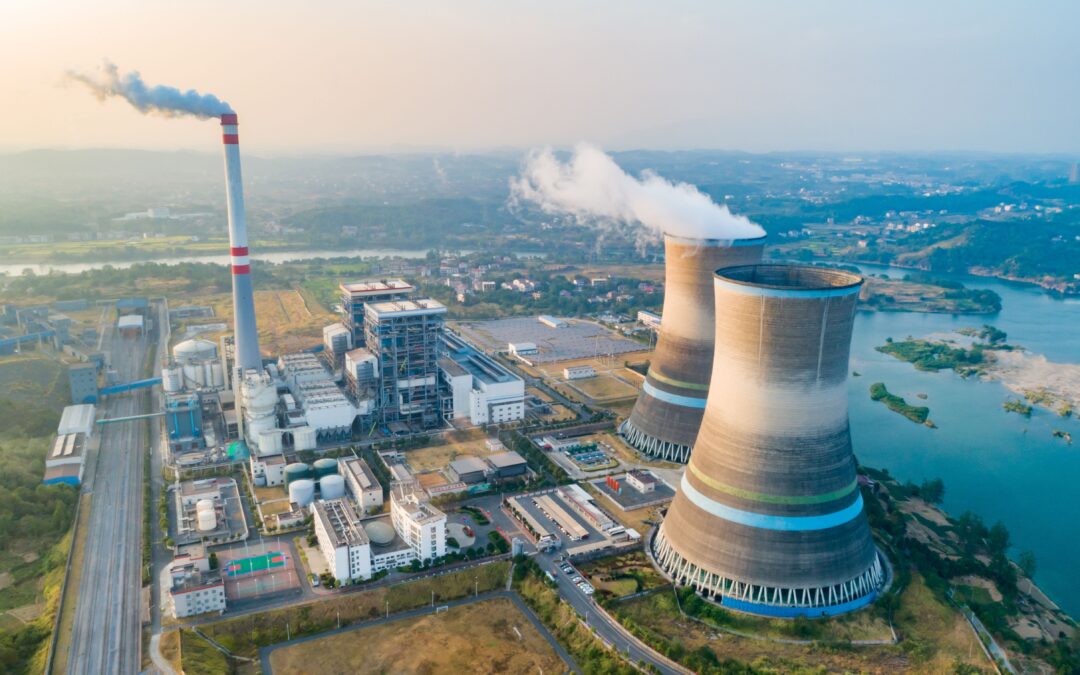
COMMISSIONE UE: INVERSIONE DI MARCIA SU ENERGIA NUCLEARE
Cambio di passo, sul nucleare, per la UE. Ursula von der Leyen, Presidente della Commissione europea, ha invertito la rotta sull’energia nucleare durante il “Nuclear Energy Summit”, organizzato di recente a Parigi da Emmanuel Macron, definendo l’allontanamento dal nucleare un «errore strategico» e sottolineando come si tratta di una fonte «affidabile, conveniente ed a basse emissioni». Tale intervento è giunto in un momento critico per l’energia europea, segnato da dipendenza da importazioni fossili e crisi geopolitiche come quella in Medio Oriente. La vulnerabilità europea oggi è particolarmente evidente: per quanto riguarda i combustibili fossili la Ue dipende completamente da importazioni costose e volatili e le rinnovabili da sole, nonostante i progressi compiuti, non bastano. Occorre pertanto che nucleare ed energie rinnovabili abbiano un ruolo chiave per un mix energetico europeo stabile contro la volatilità climatica e delle importazioni. Per rilanciare il nucleare, inoltre, la Presidente dell’Esecutivo europeo, ha svelato una «garanzia da 200 milioni di euro per sostenere gli investimenti in tecnologie nucleari innovative», finanziata dal sistema ETS (Emission Trading System). L’obiettivo è reattori modulari piccoli (SMR), con sviluppo in 3-4 anni ed i primi impianti entro il 2030. «La corsa alla tecnologia nucleare è iniziata e l’Europa – ha aggiunto – potrebbe essere leader mondiale puntando su mezzo milione di lavoratori altamente qualificati nel settore nucleare».
EN
EESC: TWO SPEECHES BY COMMITTEE MEMBER ULGIATI TO THE TEN SECTION
“Tackling the housing shortage through family-oriented housing policies for sustainable and affordable housing” (TEN/866) and “Research and Training Programme of the European Atomic Energy Community (2028–2032)” (TEN/864): these are the two highly topical issues addressed in two separate Opinions adopted during the meeting of the EESC’s TEN Section (Transport, Energy and Infrastructure), held a few days ago (9th of March) in Brussels, on which Councillor Ulgiati spoke. «The housing crisis affects all EU Countries, albeit with substantial differences – stated Ulgiati – compounded by energy costs and energy poverty, both of which are directly linked to housing hardship. We can no longer postpone solutions to the housing emergency and must urge the Commission to increase the funds allocated in the next MFF, so that there are tools to ensure affordable prices, especially for young people and families, thereby also seeking to address the demographic crisis. Opinion TEN/866 discusses social housing at length – added the EESC member – and it is right to focus on how to support those on the lowest incomes, but I believe we should also consider the possibility of providing access to housing through schemes that facilitate the purchase of a first home, using public guarantees and the option of obtaining loans to cover the full cost of the property. Finally, it is necessary to provide for investment in student accommodation, which is all too often the exclusive preserve of wealthy families, to the detriment of young people from low-income households, who, without adequate support, will not have the same opportunities for education and, above all, for social advancement».
With regard to the European Atomic Energy Research and Training Programme, it was emphasised that this initiative requires substantial investment, to be secured not only through adequate funding for the 2028–2032 Programme, but also through the involvement of private companies and major industrial groups active in the energy sector. «This must be done – said Ulgiati – both for fission projects, developing new technologies such as SMRs (Small Modular Reactors) or AMRs (Advanced Modular Reactors), and for programmes working on fusion projects. The current geopolitical context, which is increasingly complex and worrying, requires energy sources that guarantee competitiveness, energy security and sustainability, not only environmental, but also economic, and the Nuclear Energy Development Programme is moving precisely in this direction. The world’s major powers are already gearing up – concluded Ulgiati – and Europe cannot afford to fall behind, particularly in light of the new energy requirements brought about by the expansion of data centres».
EU COMMISSION: U-TURN ON NUCLEAR ENERGY
The EU has changed tack on nuclear energy. Ursula von der Leyen, President of the European Commission, reversed course on nuclear energy during the “Nuclear Energy Summit”, recently organised in Paris by Emmanuel Macron, describing the move away from nuclear power as a «strategic mistake» and emphasising that it is a «reliable, cost-effective and low-emission» source. This statement came at a critical moment for European energy, marked by dependence on fossil fuel imports and geopolitical crises such as that in the Middle East. Europe’s vulnerability is particularly evident today: when it comes to fossil fuels, the EU is completely dependent on costly and volatile imports, and renewables alone, despite the progress made, are not enough. Nuclear and renewable energy must therefore play a key role in a stable European energy mix that can withstand climate volatility and import fluctuations. Furthermore, to revitalise nuclear power, the President of the European Commission unveiled a «€200 million guarantee to support investment in innovative nuclear technologies», funded by the ETS (Emissions Trading System). The aim is small modular reactors (SMRs), with development taking 3–4 years and the first plants operational by 2030. «The race for nuclear technology has begun, and Europe – she added – could become a world leader by focusing on half a million highly skilled workers in the nuclear sector».
UGL NEWS dall'EUROPA n. 165 del 13 Marzo 2026EN - UGL NEWS from EUROPE n. 165 -13rd of March 2026


